
Sell First or Buy First? How Metro East Homeowners Can Make the Move Without Two Mortgages
Christopher Kelly · November 24, 2026 · 6 min read
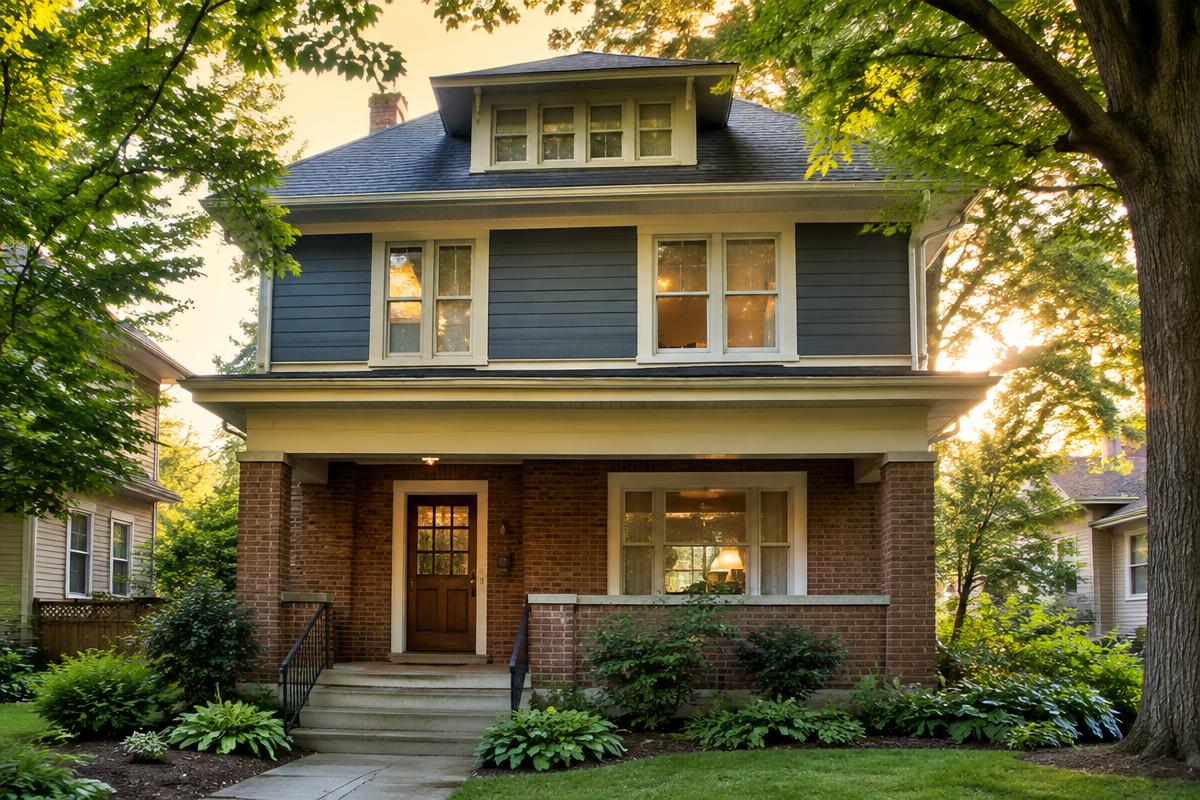
Thanksgiving week has a way of starting the conversation. The kids are home, the house is either bursting at the seams or far too quiet, and somebody asks when you are finally going to make a move. If you already own a home in the Metro East, the next question is the hard one: do you sell first, or buy first?
There is no single right answer. It depends on your equity, your financing, how much risk you are comfortable with, and how tight the market is for the kind of home you want. Here is how each path works, the trade-offs, and how to keep from paying two mortgages or moving twice.
Option 1: Sell first, then buy
You list and sell your current home, then use the proceeds to buy the next one.
Why people choose it
- You know exactly how much money you have to work with.
- No risk of carrying two mortgages.
- Your offer on the next home is not contingent on selling, which makes it stronger to sellers.
The trade-offs
- You may need somewhere to live in between, such as a short-term rental, family, or storage for your things.
- You could feel pressure to buy quickly once your home is sold.
Ways to soften it: negotiate a later closing date, or ask the buyer for a short rent-back after closing so you can stay in the home while you finish your purchase. Both are negotiated in the contract.
Option 2: Buy first, then sell
You buy your next home, move in, and then sell the old one.
Why people choose it
- Only one move, straight into the new home.
- The old house can be prepped and shown empty, which often makes it easier to show and photograph.
- No pressure to settle for a home just because your old one sold.
The trade-offs
- You may carry two housing payments until the old home sells.
- You need financing that works without the sale proceeds, such as enough savings, a home equity line, or a bridge loan.
Ways to soften it: talk to a lender early about what you qualify for while you still own your current home, and have your old house ready to list the moment you move.

Option 3: Coordinate both closings
Many Metro East homeowners do something in between: they make an offer on the next home contingent on selling the current one, or line up both closings for the same day or the same week.
Why people choose it
- Avoids two mortgages and a gap in housing when it works.
- Lets you use your equity for the next down payment.
The trade-offs
- A sale contingency can make your offer less attractive, especially when a home has multiple offers.
- Timing depends on two transactions, two sets of buyers and sellers, and two lenders. A delay on one side affects the other.
Ways to soften it: get your current home ready and priced before you start touring, so a contingency is short and believable to a seller.
Side by side
| Sell first | Buy first | Coordinate both | |
|---|---|---|---|
| Risk of two mortgages | Low | Higher | Low if timing holds |
| Strength of your offer | Strong | Strong | Weaker if contingent |
| Chance of moving twice | Higher | Low | Low |
| Know your budget for sure | Yes | Depends on financing | Mostly |
| Best when | You need your equity and can be flexible | You have financing in place | Your home is ready to sell quickly |
Downsizing in the Metro East
For empty nesters moving from a larger family home to something smaller, the emotional side is often harder than the financial side. A few things that help:
- Decide what is coming with you before you list. Measure key furniture and compare it to the floor plans you are considering.
- Use the extra time. Selling first can give you room to sort through decades of belongings without rushing.
- Get help with the hard parts. Estate sales and move management services can handle a lot of the sorting and logistics.
- Think about the home, not just the size. Single level living, a smaller yard, or less maintenance may matter more to you than square footage.
Chris works with a lot of downsizing homeowners in Belleville, O'Fallon and across the Metro East. He coordinates the sale and the next purchase so you are not left without a place to live between closings, and can refer estate sale and move management help.

Moving up
If you have outgrown your home, the question is usually how to use your equity without losing the next house to a buyer who does not need to sell first. Getting your current home ready to list, knowing your numbers, and being pre-approved before you tour gives you the strongest position.
A simple order of operations that works for many move-up buyers:
- Get a broker opinion of value on your current home.
- Meet with a lender and get pre-approved, including how your current home affects what you can borrow.
- Finish the repairs and decluttering on your current home, so it can list within days if needed.
- Start touring, knowing which of the three paths above you will use when you find the right house.
If you are still deciding whether it is time at all, our earlier post, Home No Longer Fits? A Wake-Up Call for Homeowners, covers the signs.
Questions to ask before you decide
- What is my home realistically worth today?
- How much equity will I walk away with after selling costs?
- What will a lender approve me for while I still own my current home?
- Can I afford two housing payments, and for how long?
- How quickly are homes like mine and homes like the one I want selling right now?
- Would a rent-back or a delayed closing work for me?
Talk it through with Chris
Every move is different, and the right sequence depends on your numbers. Start with a home value request, or call or text Chris to walk through your options. Happy Thanksgiving from Chris Kelly Real Estate.
Talk to Chris directly
Thinking about making a move? Call or text Chris at 618-800-2673 or visit ckreusa.com. Christopher Kelly, REAL Broker LLC.
Frequently asked questions
Should I sell my house before buying a new one?
It depends on your equity and financing. Selling first gives you a clear budget and a stronger offer, while buying first lets you move once but may mean carrying two payments for a while.
What is a rent-back?
A rent-back is an agreement that lets the seller stay in the home for a short time after closing. It is negotiated in the purchase contract and can give you time to close on your next home.
Can I make an offer contingent on selling my current home?
Yes. A sale contingency makes your purchase dependent on selling your current home. It can be less attractive to sellers, so it helps to have your home ready to list and priced well first.
Do you help with downsizing?
Yes. Chris coordinates the sale and the next purchase for downsizing homeowners and can refer estate sale and move management services.